
Visa Waiver: What It Means for African Travelers and Who Qualifies
When you hear visa waiver, a policy that allows travelers from certain countries to enter another country without applying for a visa in advance. Also known as visa-free travel, it’s one of the quietest but most powerful tools shaping how Africans move across borders. It’s not just about skipping paperwork—it’s about freedom, opportunity, and recognition. For many African passport holders, getting a visa can mean weeks of waiting, expensive fees, and uncertain outcomes. A visa waiver flips that script. Suddenly, you can book a flight, land, and walk through immigration without a single stamp from an embassy.
But not all African countries benefit equally. South Africa, Mauritius, and Seychelles have some of the strongest passports on the continent, granting visa-free or visa-on-arrival access to over 150 countries—including the Schengen Area, the UK, and Japan. Meanwhile, travelers from Nigeria, Kenya, or DR Congo still face strict requirements for the same destinations. Why? It comes down to diplomatic ties, economic stability, and how much trust other nations place in a country’s border controls and return rates. The Schengen visa, a single visa that lets you travel across 27 European countries remains a major hurdle for most Africans. But when a country like Rwanda or Botswana negotiates a visa waiver with the EU, it’s not just a win for tourists—it’s a sign of growing global confidence in that nation’s governance.
Recent shifts are real. In 2024, Ghana secured visa-free access to Malaysia and Indonesia. Senegal added the UAE to its list. Even in the face of global travel restrictions, African nations are quietly building bridges. These aren’t random acts—they’re strategic moves tied to trade, tourism, and diaspora connections. And it’s not just about leisure. Business travelers, students, and healthcare workers rely on these waivers to move without delay. A visa waiver can mean the difference between closing a deal or losing it. Between attending a conference or watching it online. Between visiting a sick relative or saying goodbye remotely.
What you’ll find in this collection are real stories and updates about who got a visa waiver, who lost one, and how African travelers are navigating the changing rules. From diplomats negotiating new deals to ordinary people crossing borders with nothing but a passport and a ticket, these posts show the human side of policy. You’ll see how a single change in a government’s agreement can ripple through families, businesses, and careers across the continent.
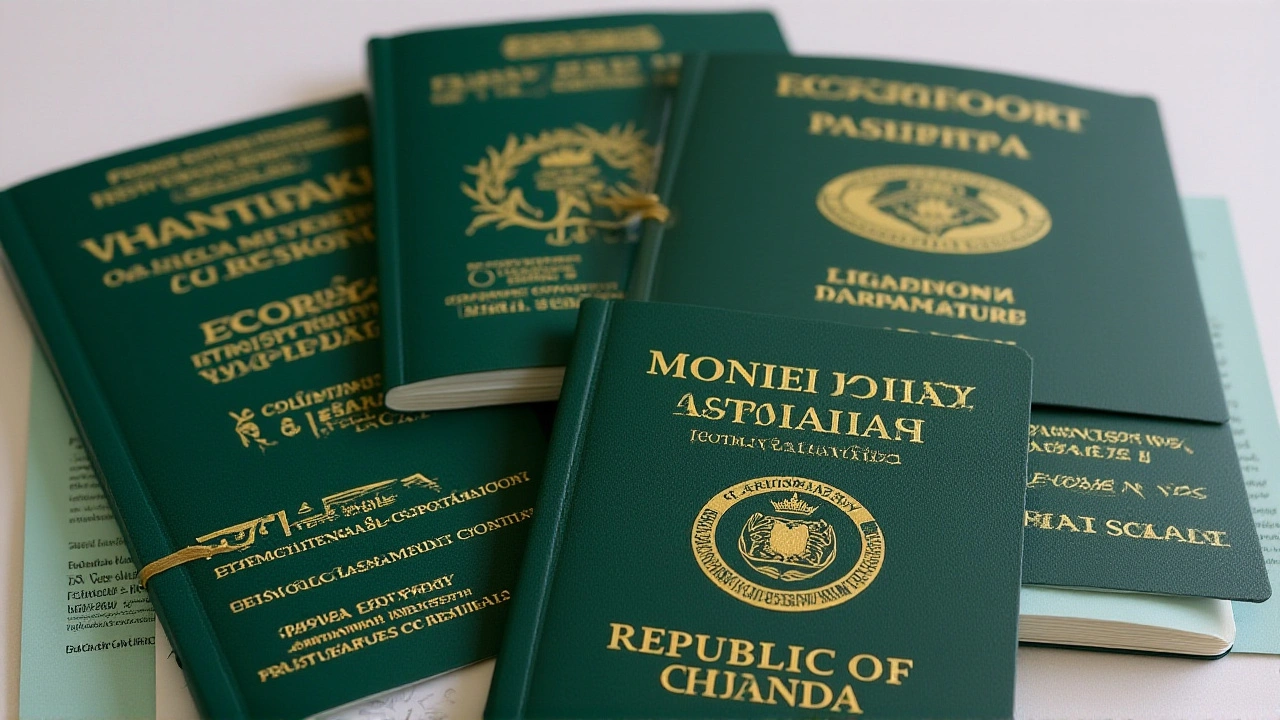
Ghana Launches Major Visa Waivers with Morocco, Colombia, and Others to Boost Tourism and Investment
Ghana has launched visa waivers with Morocco, Colombia, Mozambique, and others to boost tourism and investment, allowing 90-day stays with eTAs and strengthening its global mobility ranking to 74th in 2025.
 Sports