
Investment in Africa: Where Money Is Growing Beyond the Cities
When people talk about investment, the act of putting money into something with the expectation of future gain. Also known as capital allocation, it's not just about stocks and bonds—it's about who builds what, where, and why. In Africa, investment isn’t just happening in Lagos or Johannesburg. It’s in the solar panels powering Ahmadu Bello University in Zaria, the new football transfers linking Belgian clubs to Italian talent, and the tech startups betting on dual-screen phones for a market that skips landlines entirely.
Take infrastructure, physical systems like power grids, roads, and energy plants that support economic activity. Also known as public works, it’s what turns potential into progress. ABU spending ₦4bn a year on diesel generators? That’s not just a cost—it’s a signal. Someone’s already planning a 10MW solar plant because the old way doesn’t work anymore. Meanwhile, in Belgium, Club Brugge paying €9.5M for a 19-year-old Serbian midfielder isn’t just a sports move. It’s a bet on talent pipelines, youth development, and cross-border financial networks that connect African diaspora talent to European clubs. These aren’t random events. They’re pieces of a larger map where African markets, local economies driven by domestic demand, entrepreneurship, and regional trade. Also known as emerging economies, they’re becoming harder to ignore. From Nigeria’s reality TV stars turning into cultural ambassadors to Kenya’s new political parties raising funds from young voters, money follows attention—and attention is shifting fast.
You won’t find all the answers in Wall Street reports. The real clues are in the quiet moves: a university switching to solar, a football club signing a kid from Inter Milan, a Nigerian governor becoming a traditional king with presidential guests in attendance. These are the signals. They show where trust is being built, where systems are changing, and where returns are starting to show up—not just in profit margins, but in jobs, energy access, and opportunity. Below, you’ll see how these stories connect: the money behind the matches, the deals behind the headlines, and the real people turning investment into change across the continent.
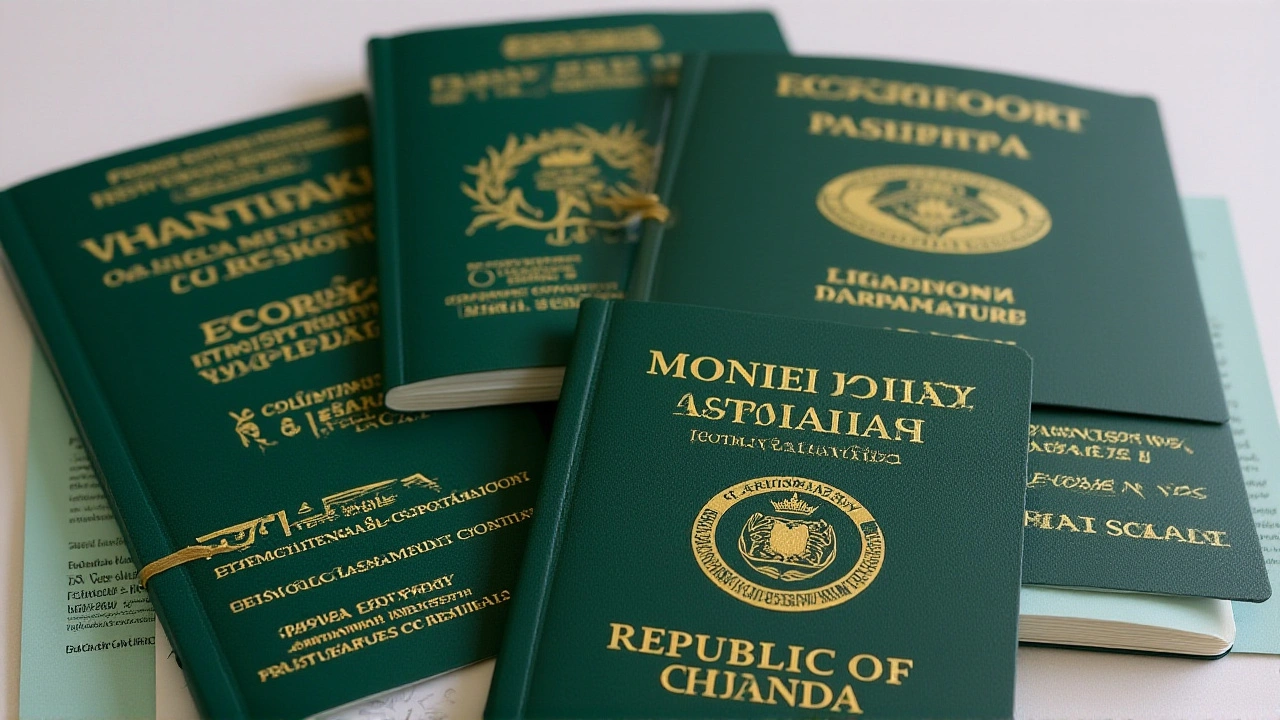
Ghana Launches Major Visa Waivers with Morocco, Colombia, and Others to Boost Tourism and Investment
Ghana has launched visa waivers with Morocco, Colombia, Mozambique, and others to boost tourism and investment, allowing 90-day stays with eTAs and strengthening its global mobility ranking to 74th in 2025.
Latest Posts
Portugal vs Czech Republic LIVE: Euro 2024 Latest Team News, Line-ups, Match Preview and More
Jun 18 2024 Sports